
Campus Climate leadership
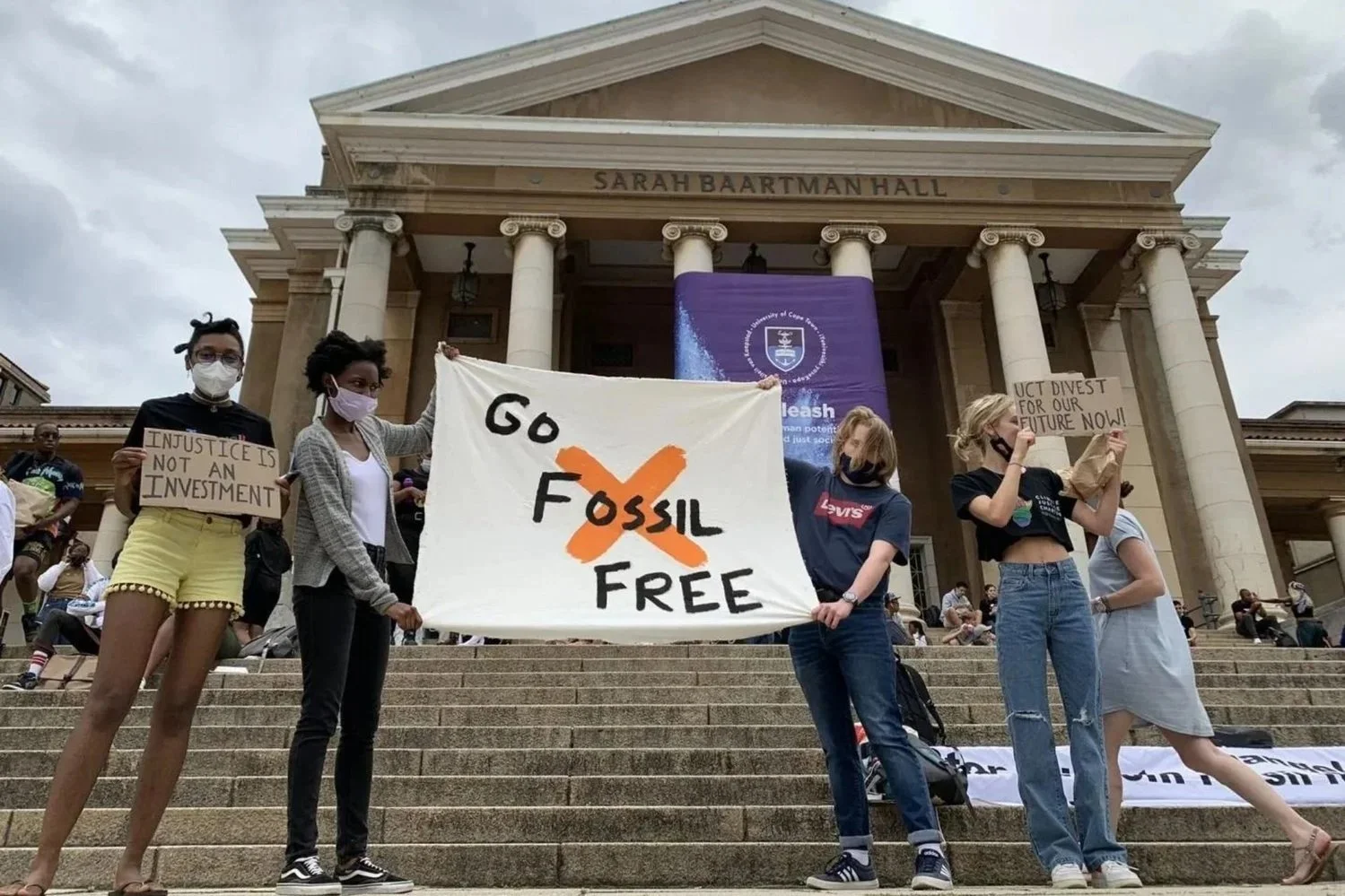
We are building student and academic support for universities to lead publicly on climate action that supports a human rights-based Just Transition. What started out as a divestment movement that led the University of Cape Town to commit to stop investing in fossil fuels has grown into a broader campus climate movement of which divestment is only one part. For a more detailed history of this campaign going back to 2013, you can view all our campaign timelines here.
-
Why universities?
Universities should be pillars of climate leadership. They are the institutions that lead most of the research outlining the scale and severity of the climate crisis, and its probable impacts on Africa. Many South African universities have missions and visions for being centres of social justice.
Universities should be communicating the full risks of climate change to society at large, offering social leadership rather than giving the wrong tacit signals to the rest of society. Many SA universities have their own pools of invested capital (money), their endowments – that are often still partly invested in fossil fuel companies like Sasol and Exxaro. Fossil fuel divestment is a demonstration of climate leadership, a prudent financial strategy, and a condition of moral authority on the climate emergency.
Universities can also choose to declare or disassociate from fossil fuel companies and ties in research, bursaries, and other areas of campus life.
-
Student power!
Students have always been leaders for social change. They helped lead divestment movements since the 70s and 80s when students overseas campaigned for their colleges to divest from companies doing business in apartheid South Africa. Fossil fuel divestment is now the biggest campaign of its kind. Youth and students continue to be central to the climate movement. Many students are also looking for ways to learn and channel their passions.
Through our work, we also encourage and build cross-campus collaboration − from our engagement with the international campus climate network, to our participation in the 2025 Cape Town Inter-Varsity Climate Festival, to our work towards a national University Climate Leadership Summit. -
Our tactics
Institutional engagement for climate leadership and divestment:
Attending Convocation meetings (our director David Le Page is now on the executive committee of Convocation at UCT)
Regular in-person engagements with university leadership, such the UCT vice chancellor, as well as the University Panel for Responsible Investment, and other UCT sub-institutions.
Letters of inquiry to university investment committees at UCT and Stellenbosch
Investigative research into the fossil fuel influences in universities
Student engagement through
community building events and meetings
raising awareness about our climate leadership platform
hosting climate leadership events and training with student societies (GCI, Ecomaties, InvestSoc) as well as sub-institutions
Chapters
Fossil Free UCT
The Fossil Free UCT campaign was the founding campaign of Fossil Free SA, and is an ongoing collaboration with partners such as the UCT Green Campus Initiative (GCI), the Climate Action Project, InvestSoc and UCT academic staff members.
Fossil Free WITS
Since 2020, we’ve been liaising with and supporting Wits stakeholders in efforts to advance divestment by this key institution. In November 2025, our team co-hosted a roundtable with the Global Change Institute at Wits University. The discussion emphasised that, in a climate emergency, Wits needs a more deliberate strategy, not only concerning investment and affiliations, but also around operational emissions, research direction, and how the institution positions itself in South Africa’s energy transition. Now the campaign is finding ways to engage more deeply within the student body
Fossil Free Stellenbosch
Fossil Free Stellenbosch began in 2015 and is led by the active student leadership in EcoMaties. It has launched a new petition, and releases news updates. Currently, the campaign is looking to increase pressure on SU’s investment committee.
Expanding further…
In April 2025, we had a generative meeting with the head of the Environmental Society at the University of Johannesburg, with the hopes of aligning around a climate leadership event in 2026. We have been engaging with the Global Centre for Environmental Law at the University of the Western Cape, and they have expressed interest in collaborating around events this year. We are currently planning our “Carbon Captured” report launch for May this year, hosting at UWC.
our impact to date
-
![]()
Building the next generation of climate leaders
We maintain regular engagements with student societies throughout the year in the form of trainings, education, building awareness and capacity, and supporting their objectives so they can put direct pressure on their universities too.
-
![]()
UCT Divestment Commitment in 2022
In 2022, UCT became the first university in Africa and Global South to formally commit to fossil fuel divestment. The nine-year long campaign included more than 5,000 signatures from students, academics, and alumni. You can watch the original divestment video here.
-
![]()
Landmark research
In 2026, we launched Africa’s first preliminary review about how universities are used as sites of greenwashing. Read the Carbon Captured? here.
-
![]()
Pioneering governance
UCT established the University Panel on Responsible Investment (UPRI) in 2017 – the first such body in a Global South institution. This commitment placed UCT’s ~R11 billion endowment under a firmer responsible investment mandate, removing the “social licence” of fossil fuel majors from the investment strategy of Africa’s leading university.
-
![]()
Active monitoring
We are currently guarding against “deadline drift”, ensuring UCT adheres to its 2030 net-positive goals, and challenging 2040 extensions.
-
![]()
Regional bluebrint
We have used the UCT model to drive similar reforms at Stellenbosch University (direct engagement with investment committees and EcoMaties), as well as WITS university and UWC (Building student-led coalitions to challenge current investment mandates.
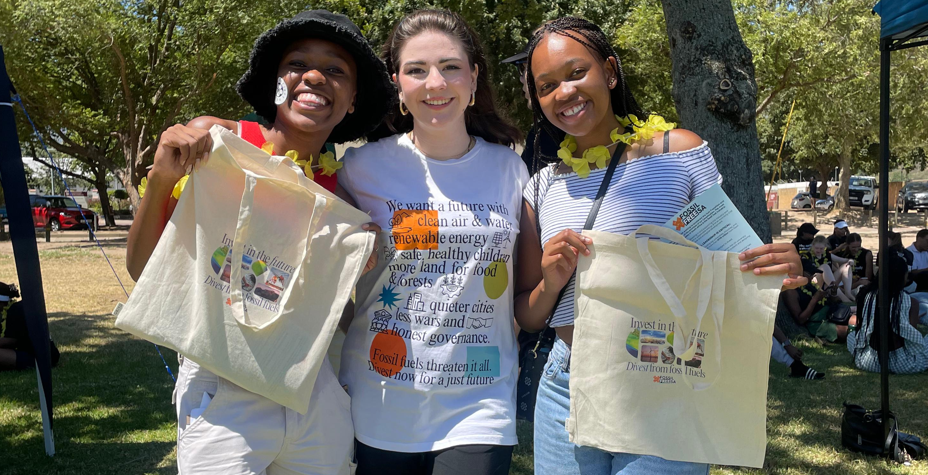

some of our campaign tools
Campus Climate Leadership Pledge
Our call on university departments, schools, faculties, institutes and student societies to support expanded public climate leadership from SA universities.
This includes the call for universities to be fully transparent about fossil fuel industry ties, to become vocal and visionary climate leaders reaching beyond institutional boundaries to illuminate for all South Africans the full threat of climate change and continued fossil fuel extraction, to commit to divestment, decarbonisation, and disassociation where possible, and to endorse the Fossil Fuel Non-Proliferation Treaty.
Get your department, faculty, institute or student society to sign on to our call for expanded public leadership on climate change by all our universities. Please reach out if you have any questions or concerns, or would like to have our divestment team present to your team.
Carbon Captured? Report
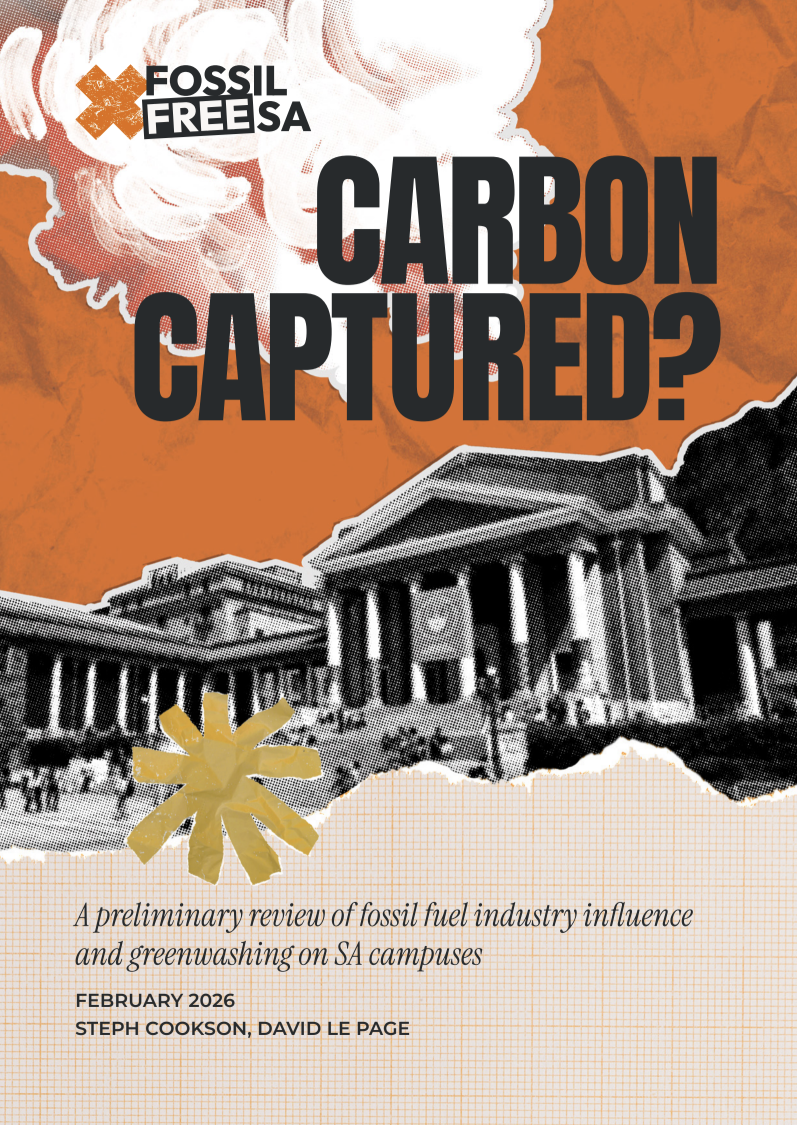
A preliminary review of fossil fuel industry influence and greenwashing on South African campuses. International research shows how fossil fuel companies have been laundering their reputations and obstructing climate action using universities. Undisclosed funding and a variety of partnerships allow the coal, oil and gas industry to deny, delay and spread disinformation about climate action.
Building on that research, Fossil Free SA has written a preliminary report about the extent of these relationships and partnerships that South African universities have with the fossil fuel industry, and explores how academic neutrality on the energy transition may be compromised. The report makes recommendations for university leadership on the issue, including proactive measures for transparency, and endorsement of the Fossil Fuel Non-Proliferation Treaty. Read the full report here.
Conscious Capital Course
A hybrid four-session course on socially conscious personal finance, Conscious Capital is exploring how to manage our money and become more financially secure in ways that also support the prosperity of others.It’s the latest project in our expanded climate finance campaign, now called Future We Want because redirecting financial flows is essential for creating this future.
This work integrates more broadly with our Campus Climate Leadership campaign and is currently running successfully at UCT with potential for expansion to other universities. Conscious Capital integrates deep knowledge of the globally sustainability crisis with the basics of personal finance, not without having to navigate contradictions.
To our knowledge, this course is unique not just to South Africa, but possibly globally.
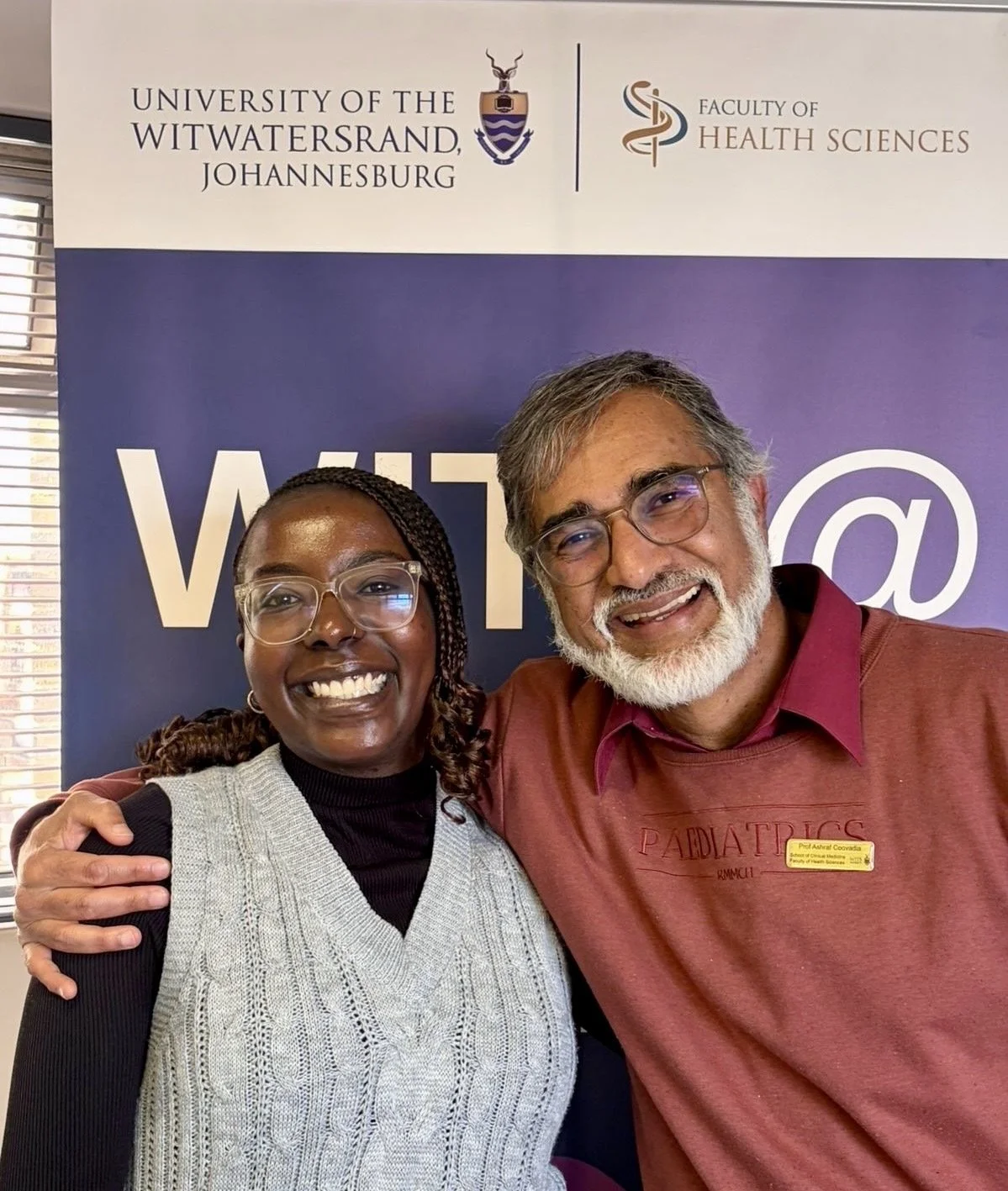
May 2026: Our campaign lead, Sandrine, met with Prof. Coovadia (Head of Paediatrics) at WITS university about the human health impacts of fossil fuels.
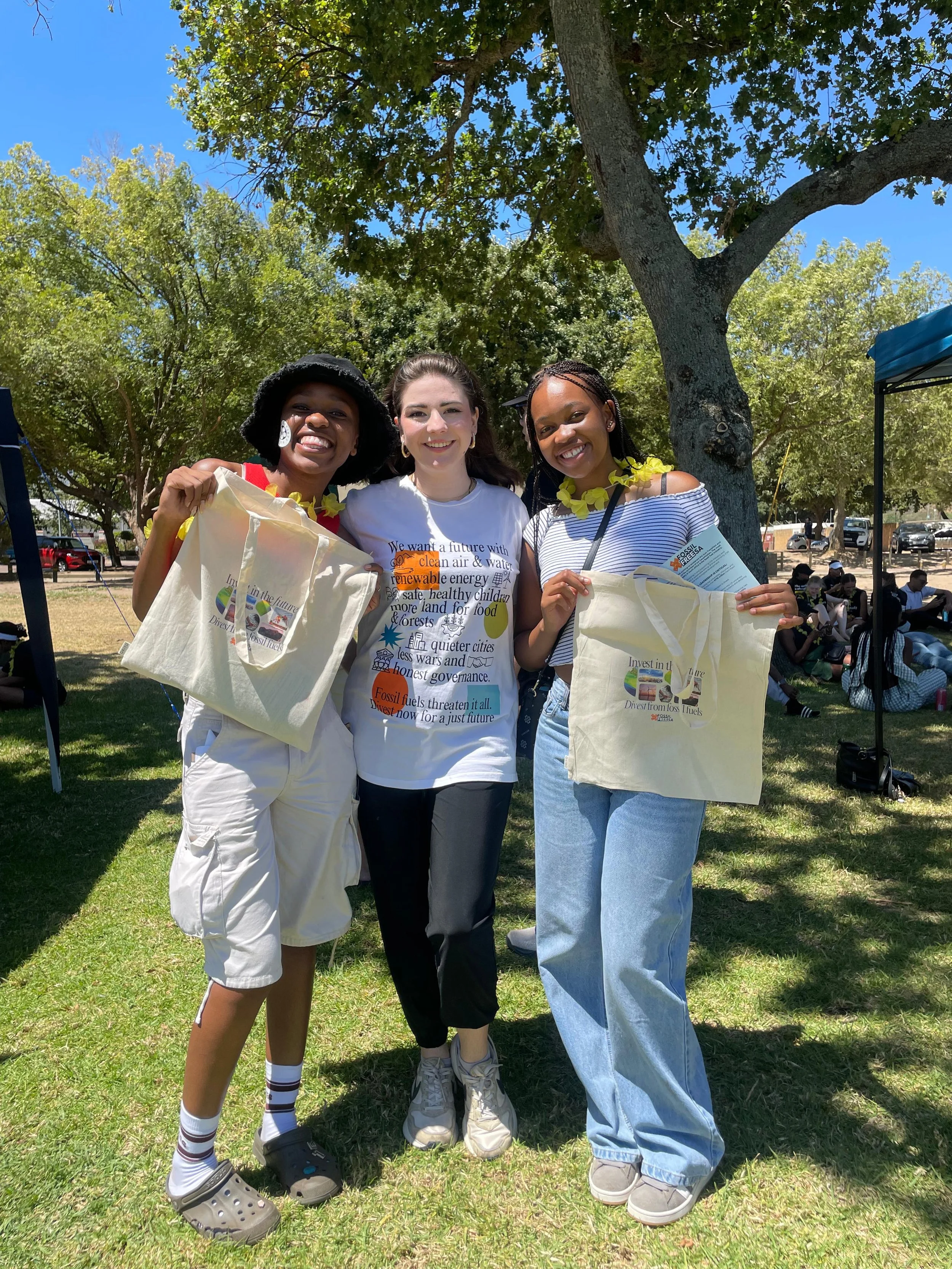
February 2026: Our team had a great day with EcoMaties at their welcoming fair for newcomers.

March 2025: We hosted a screening of the documentary, Temperature Rising, with EcoMaties at the Neelsie student centre.
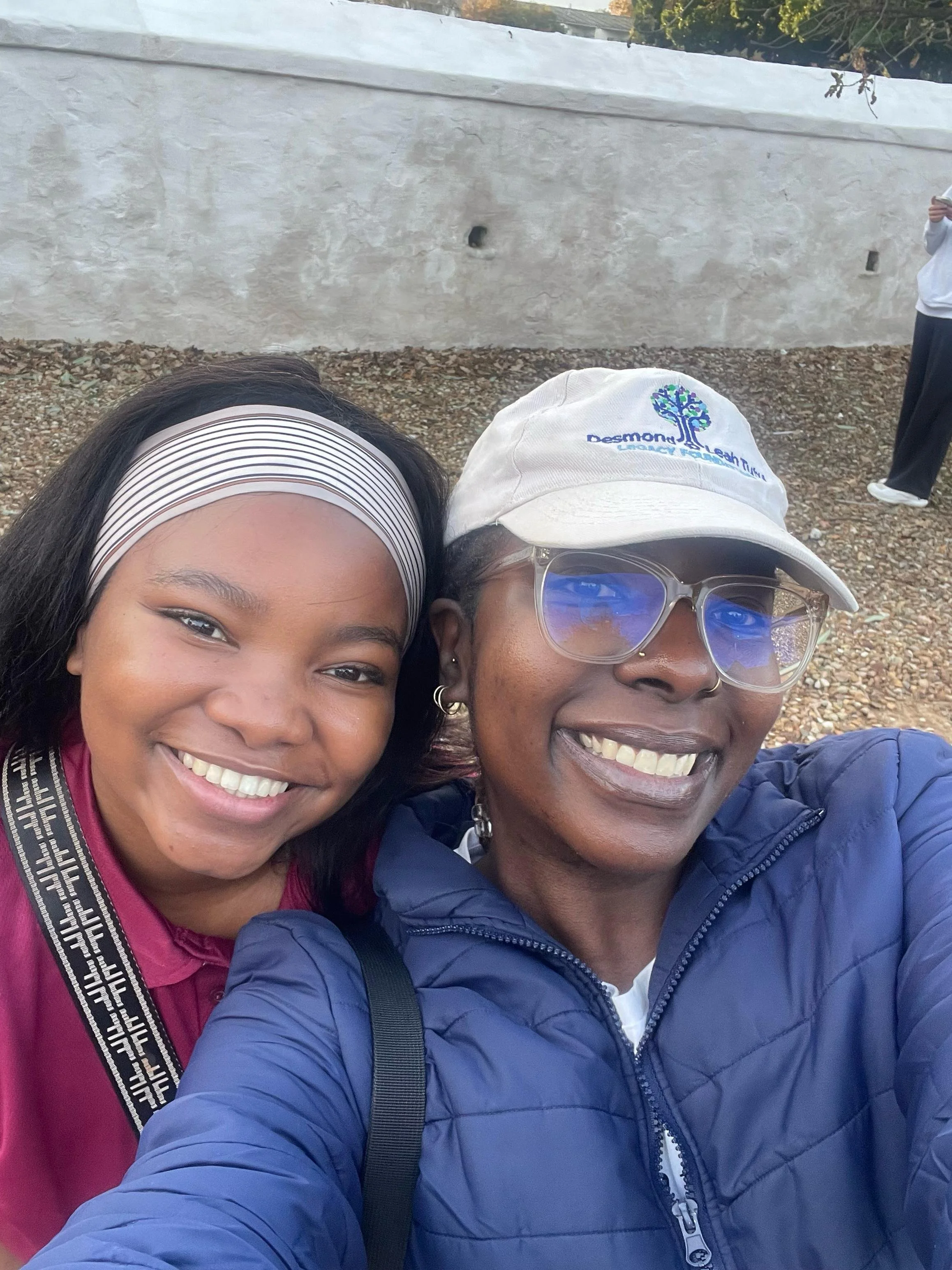
June 2025: Our campaign team lead, Sandrine, joined the Eco Maties executive committee at SU's Social Justice Walk on Youth Day.
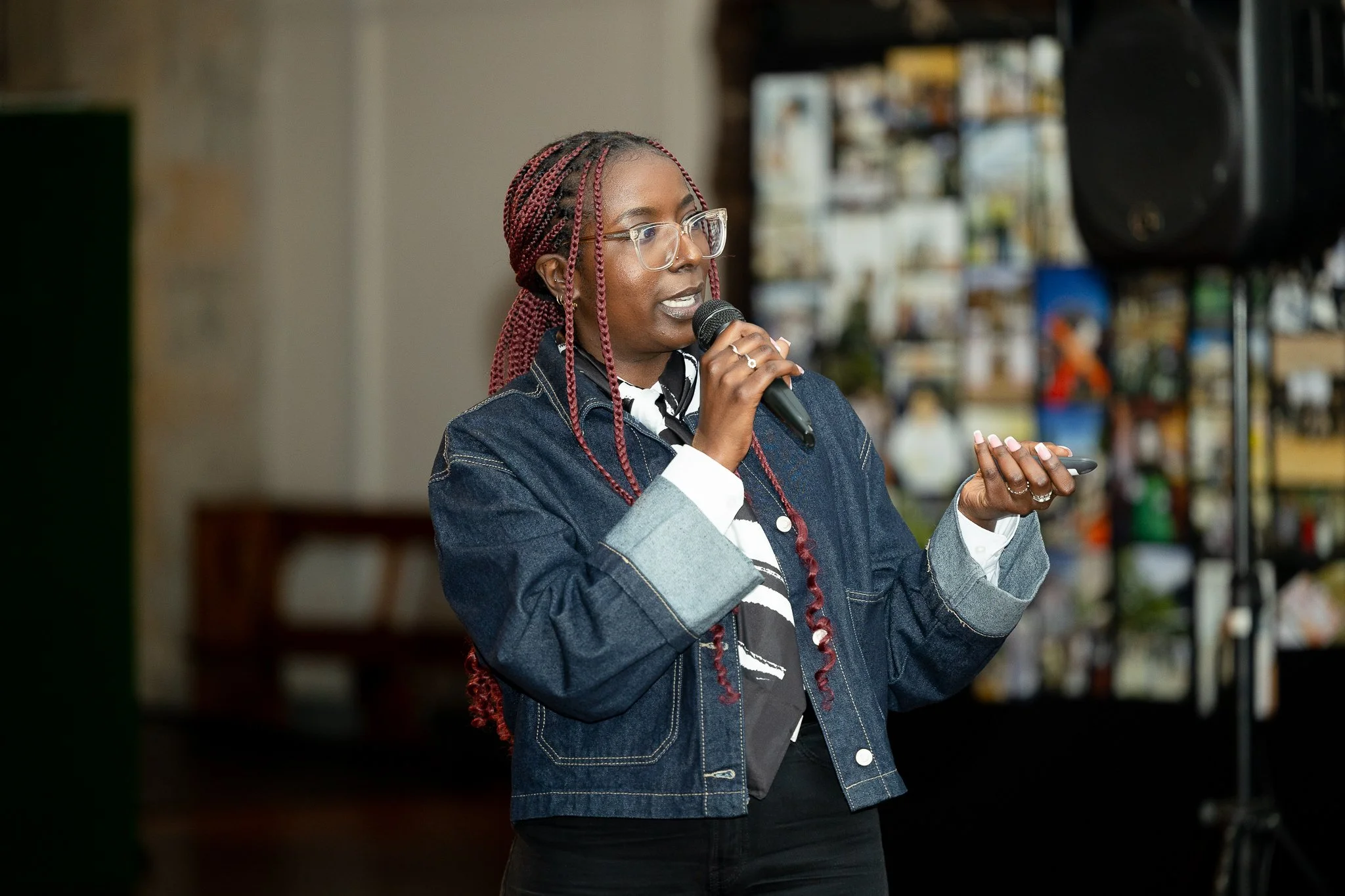
July 2025: Sandrine provided her 2024-2025 report back at our Annual General Meeting and 10th birthday celebration event, held at The Homecoming Centre in Cape Town.
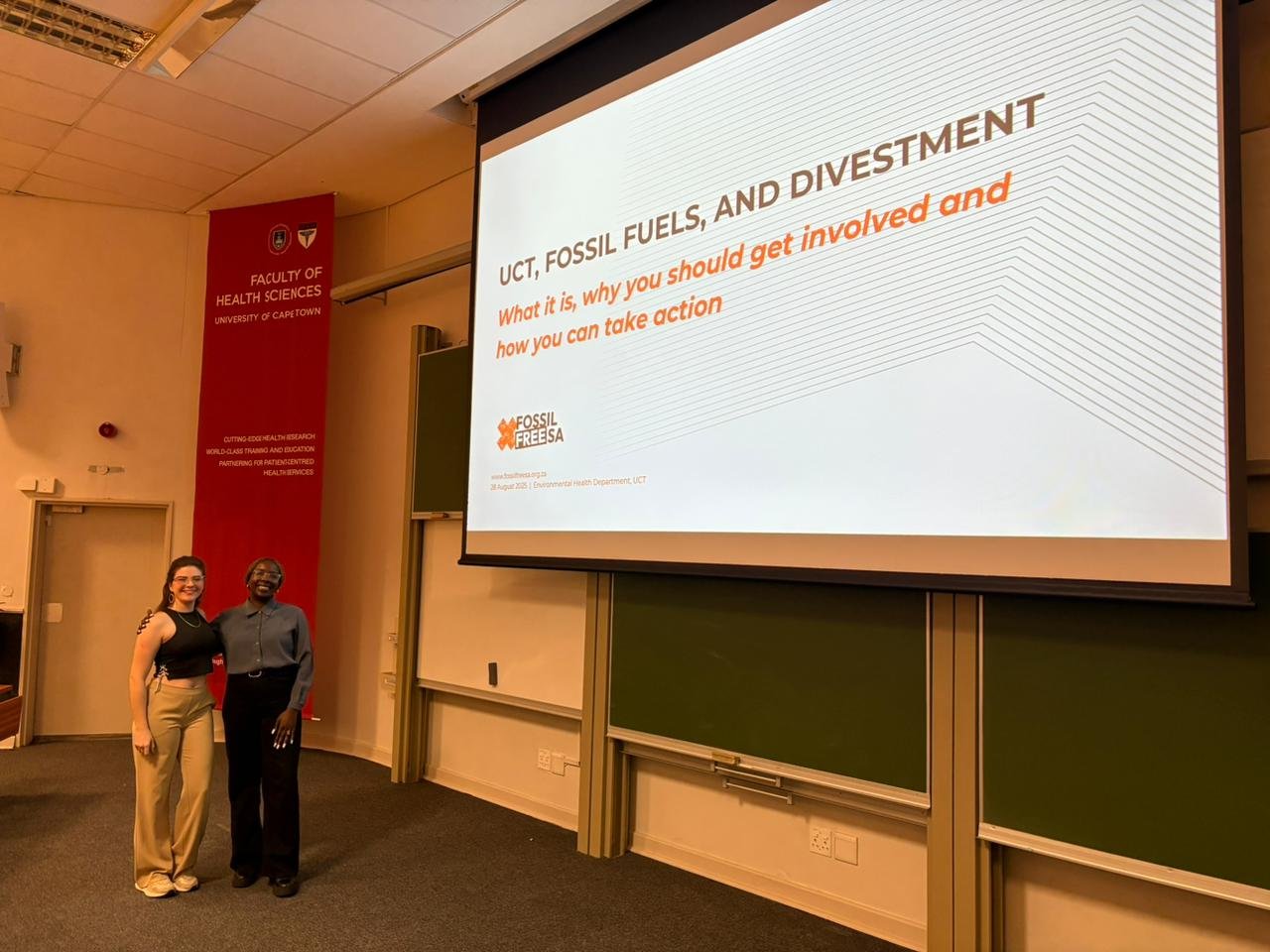
August 2025: Our campaigners spoke to fourth-year medical students at UCT’s School of Public Health to get them on board with our Climate Leadership Platform — a call for the university to take bold climate action by being transparent about fossil fuel ties and reinvesting in renewables.
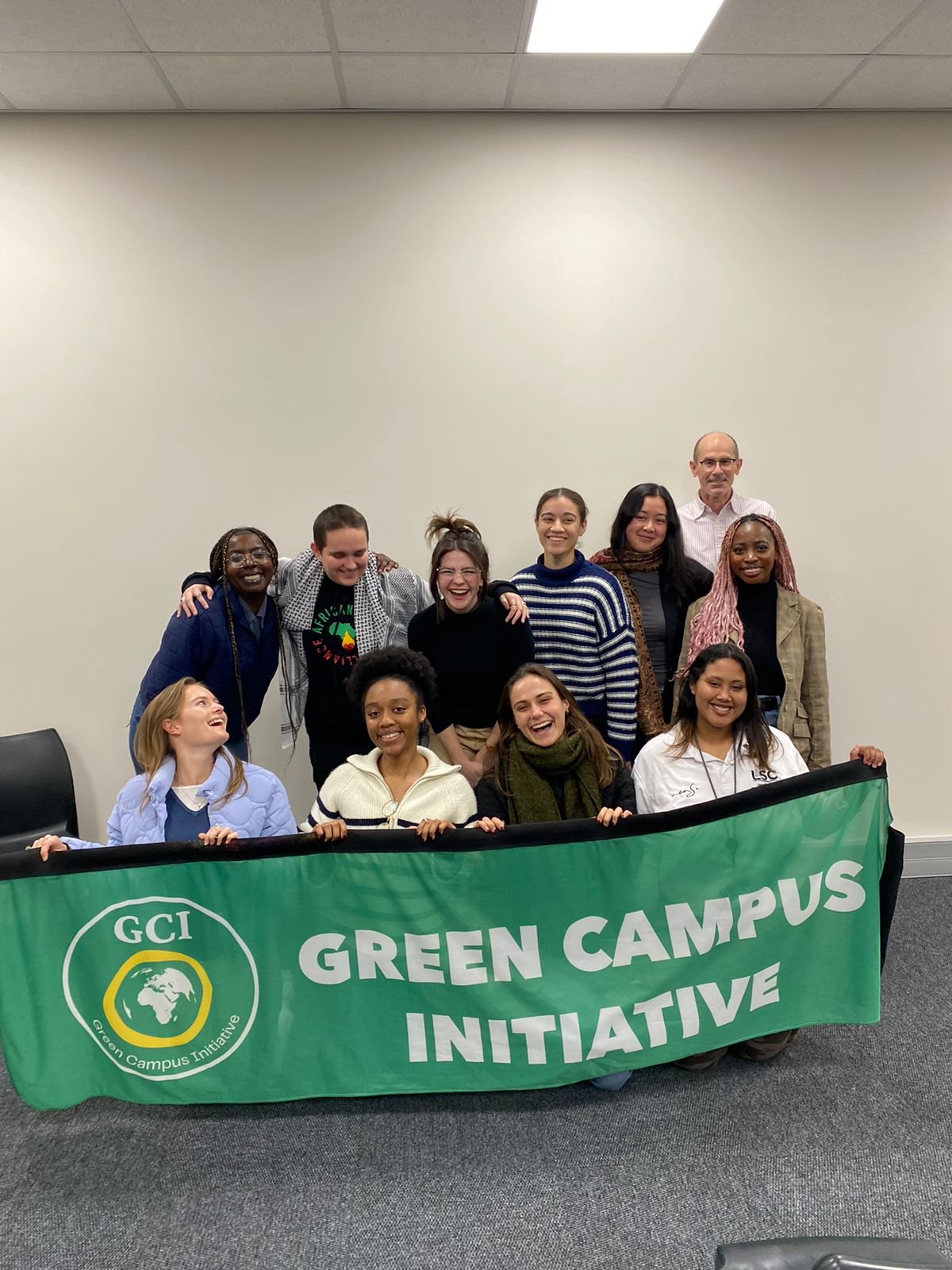
August 2024: Defossilising training with UCT's Green Campus Initiative student organisation.
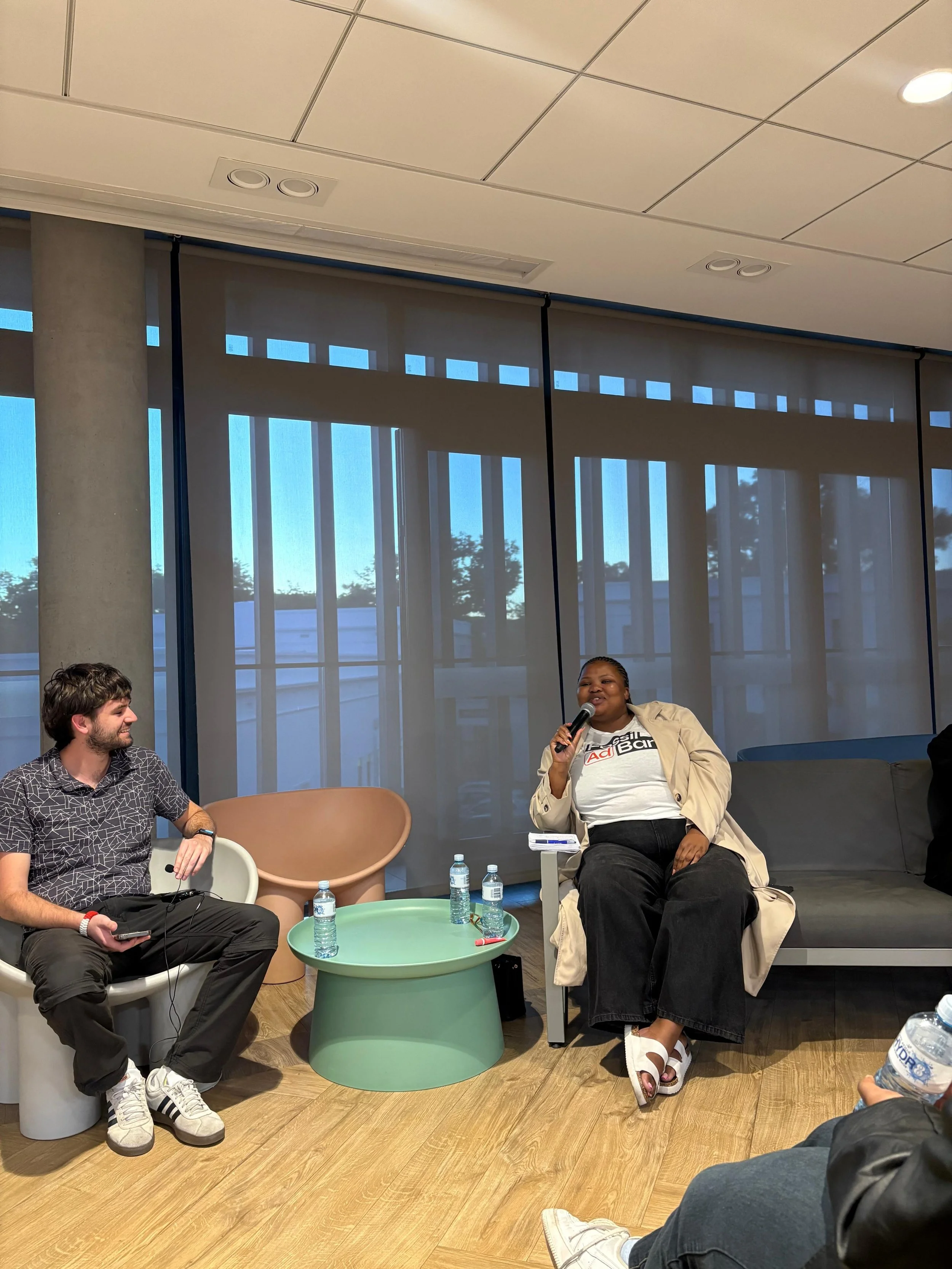
October 2025: Our team helped EcoMaties organise their talk on Green Colonialism, where one of our Fossil Ad Ban campaigners was also invited to be a panelist.

March 2025: Our Divestment team and Community & Events Manager hosted a strategy session with the EcoMaties executive committee to plan for the year ahead.
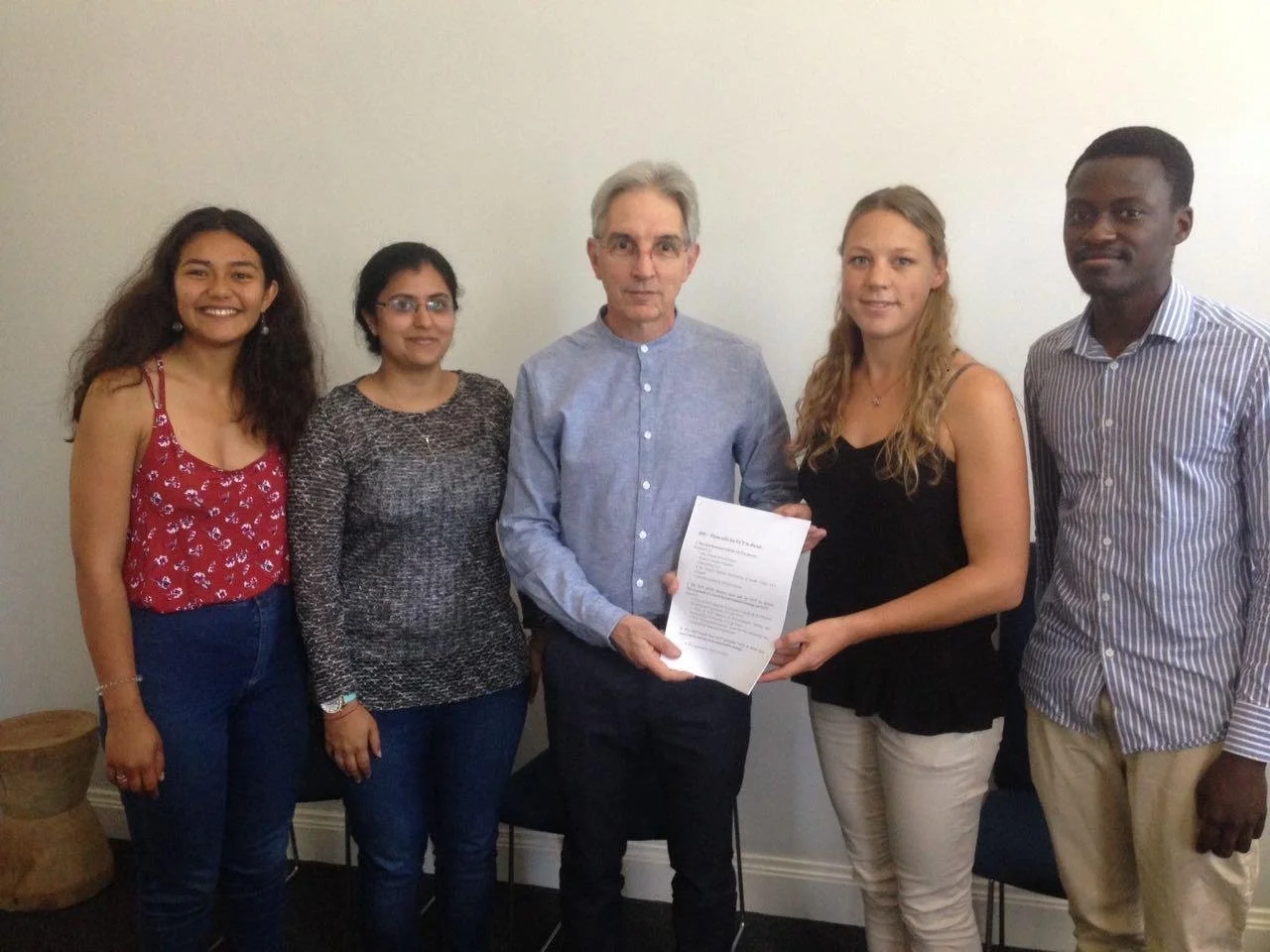
2016: Students present VC with divestment petition.
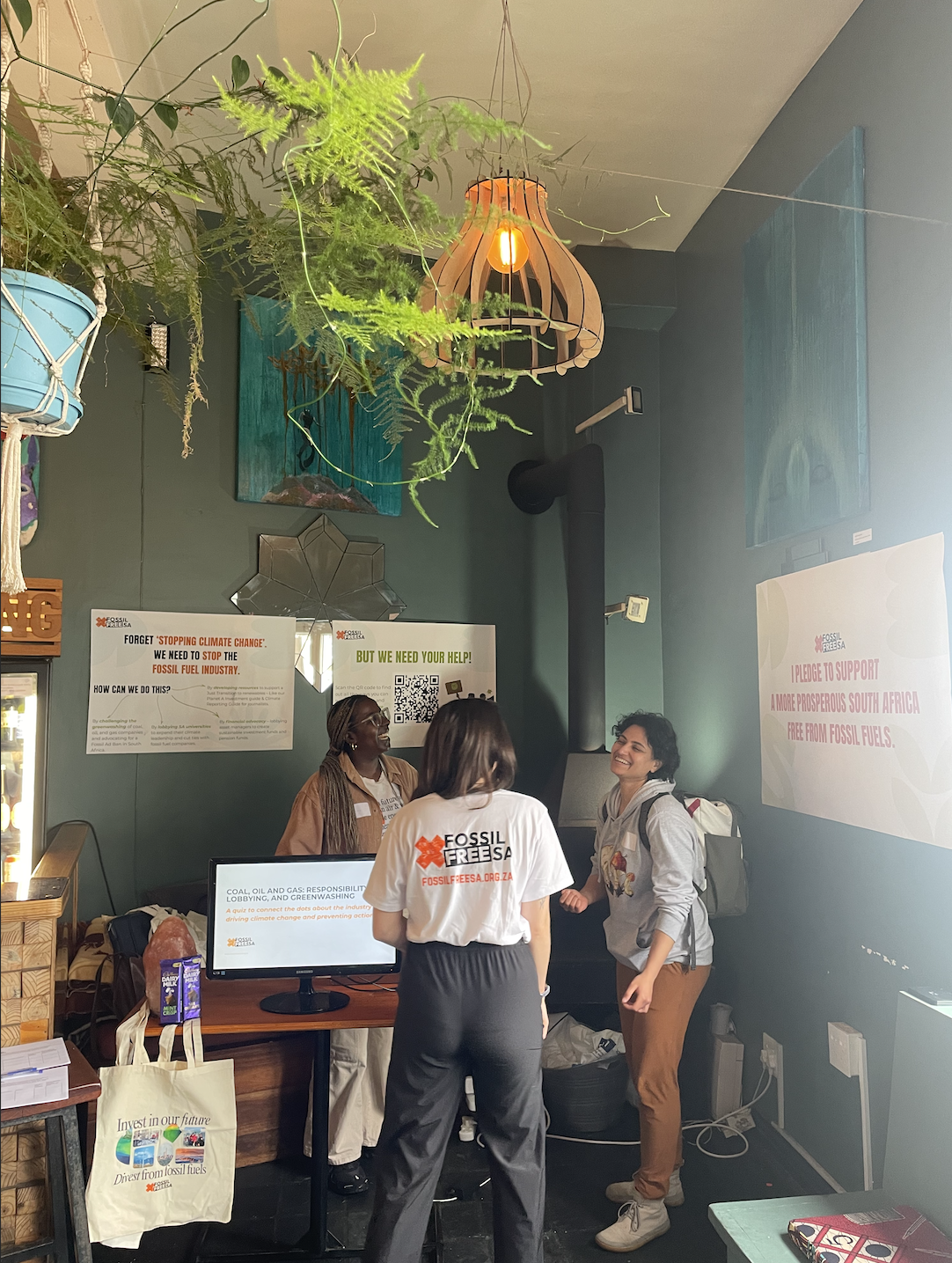
September 2025: Our campaigners joined African Climate Alliance's Cape Town Climate Week, and hosted a workshop about energy justice.

March 2025: EcoMaties invited us to join their stall at the Societies Fair, to engage with potential new members.
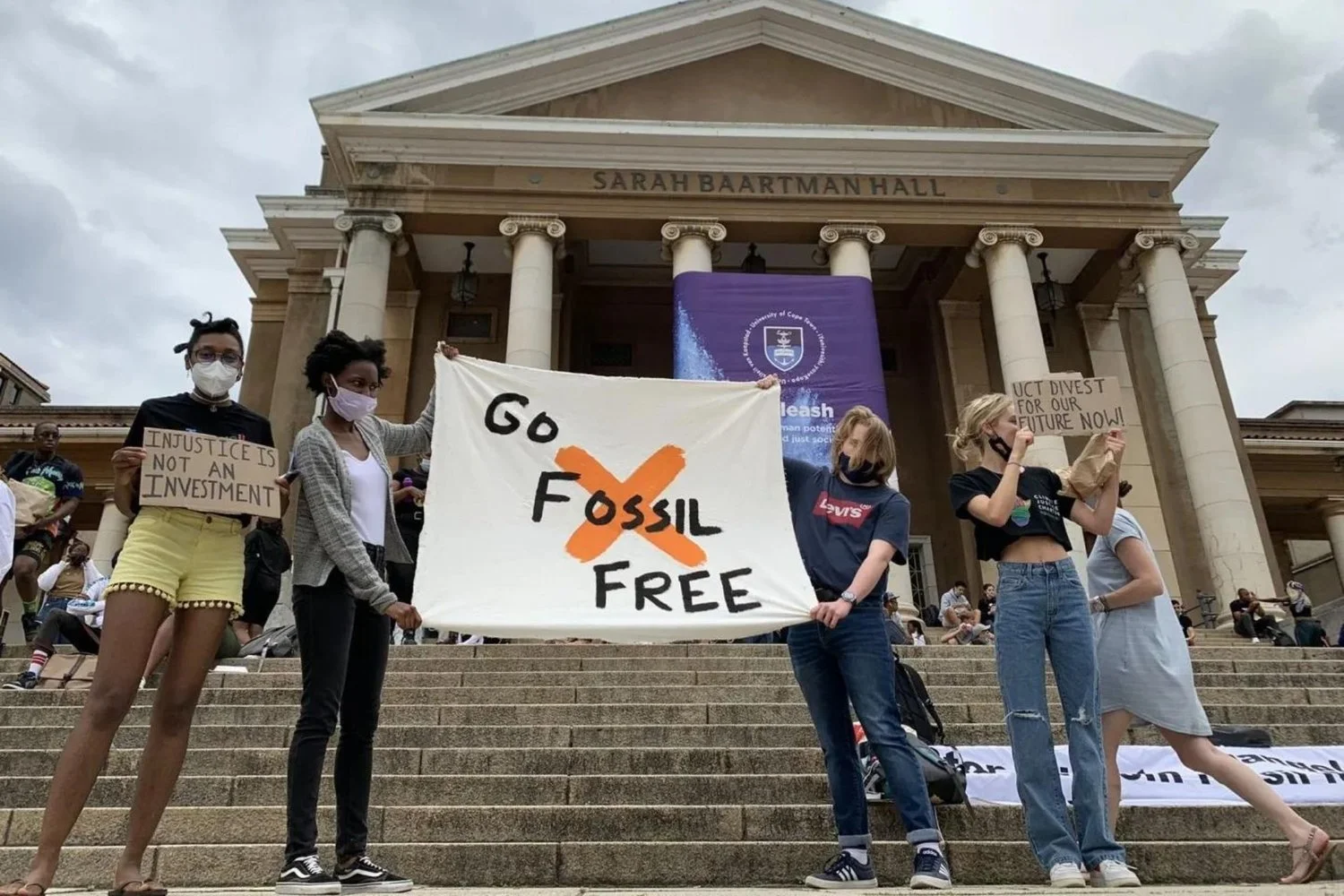
2015: Global divestment day protest.

February 2025: Our two Divestment campaigners presenting at Aurora CSC.

February 2025: We collaborated with EcoMaties to host a Garden Tour with newcomers from 2 Stellenbosch residences. We hosted a highly educational and impactful presentation to the newcomers surrounding fossil fuel divestment.

August 2024: David addressed students at a Divestment training session, in collaboration with Eco Maties.

August 2024: We hosted a Divestment training session, where one of our campaigners, Steph, presented.

May 2024: David spoke on a panel about climate governance, providing particular focus on the governance of the fossil fuel industry.